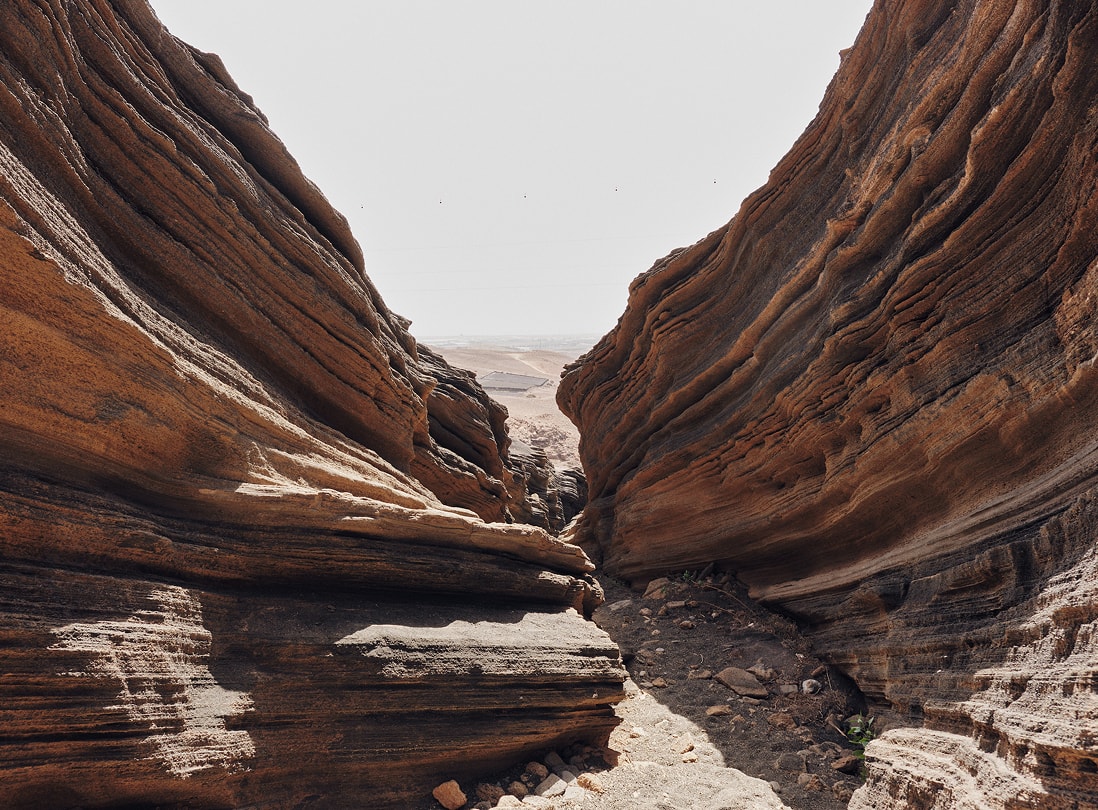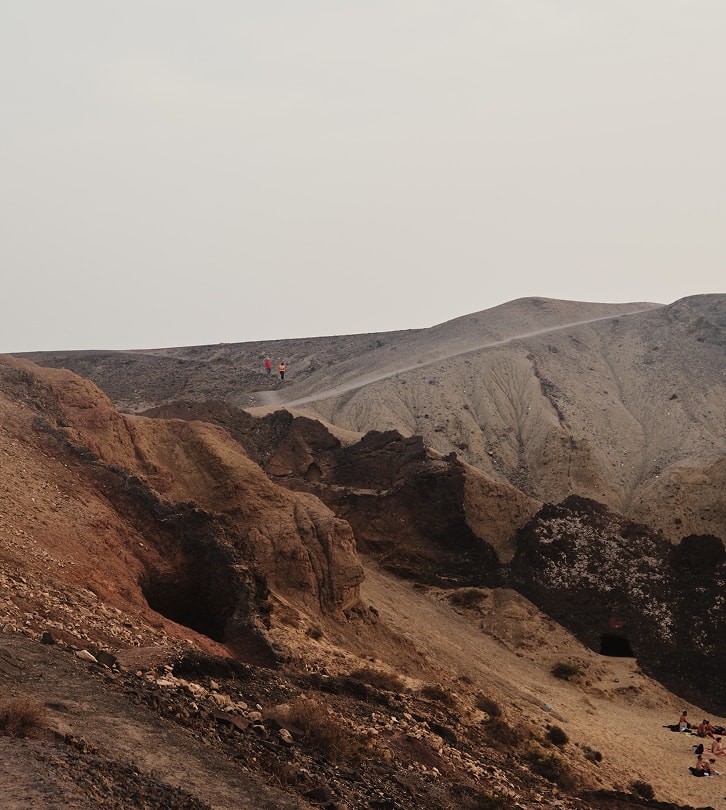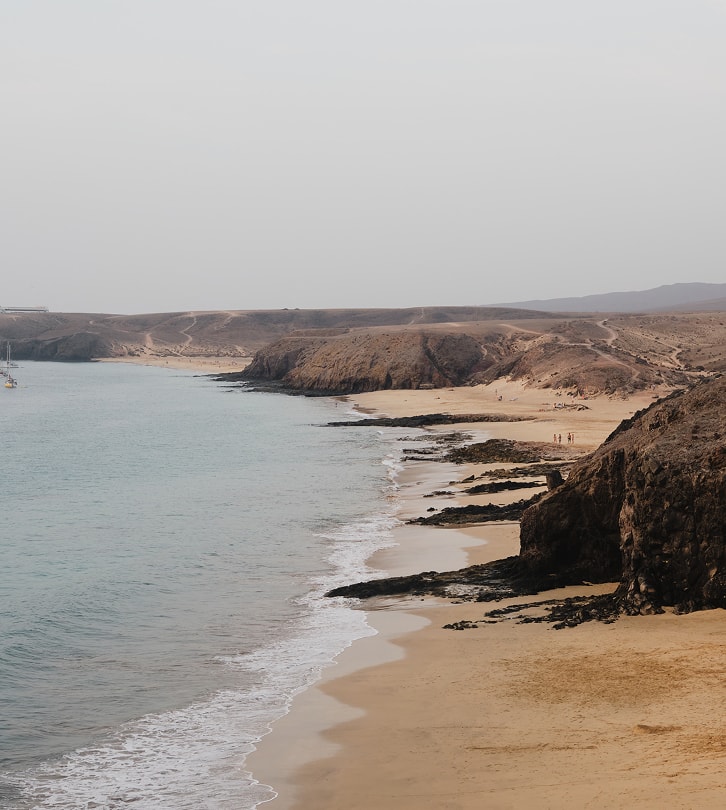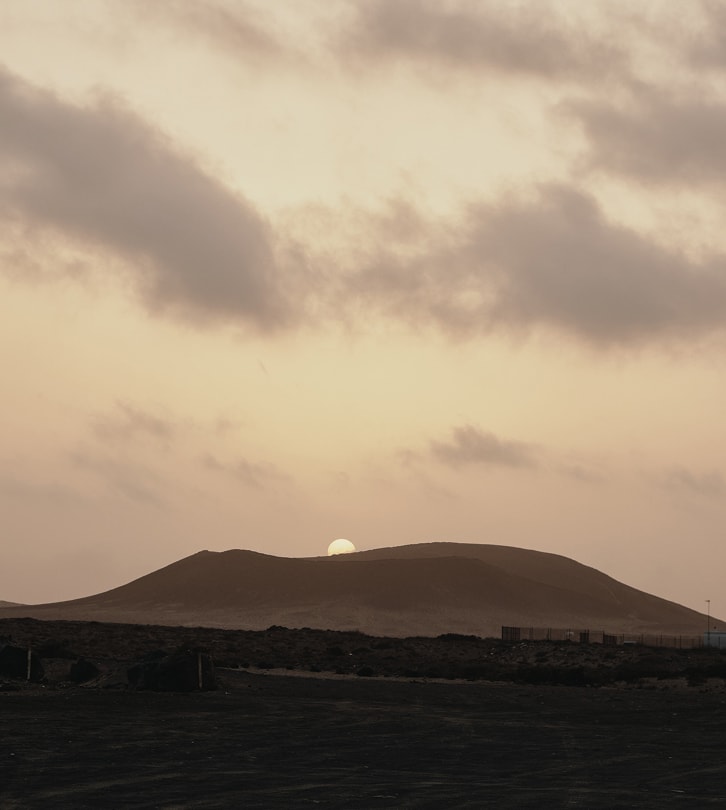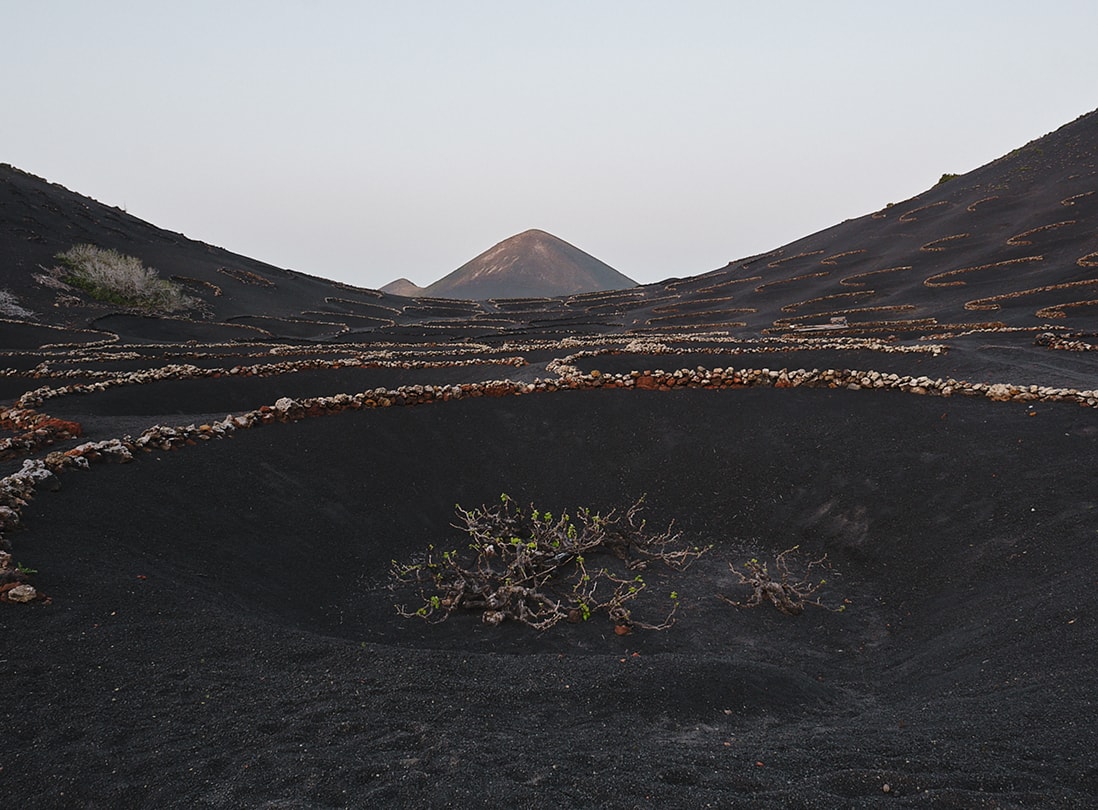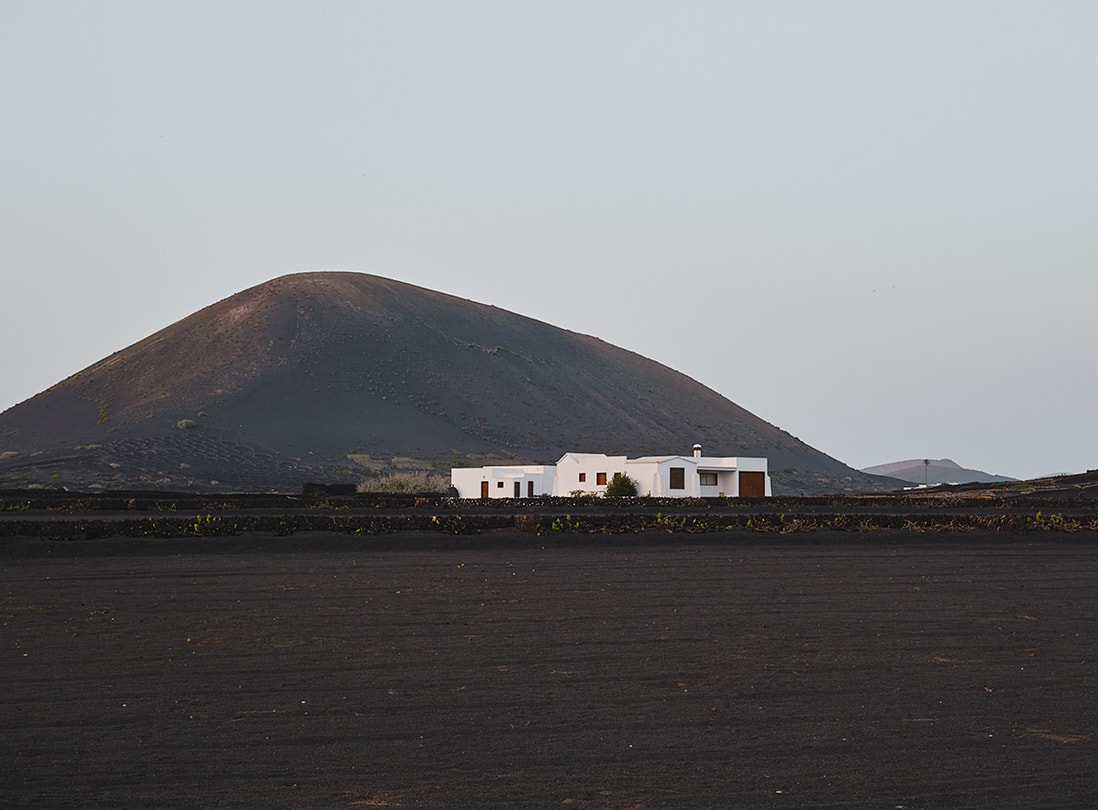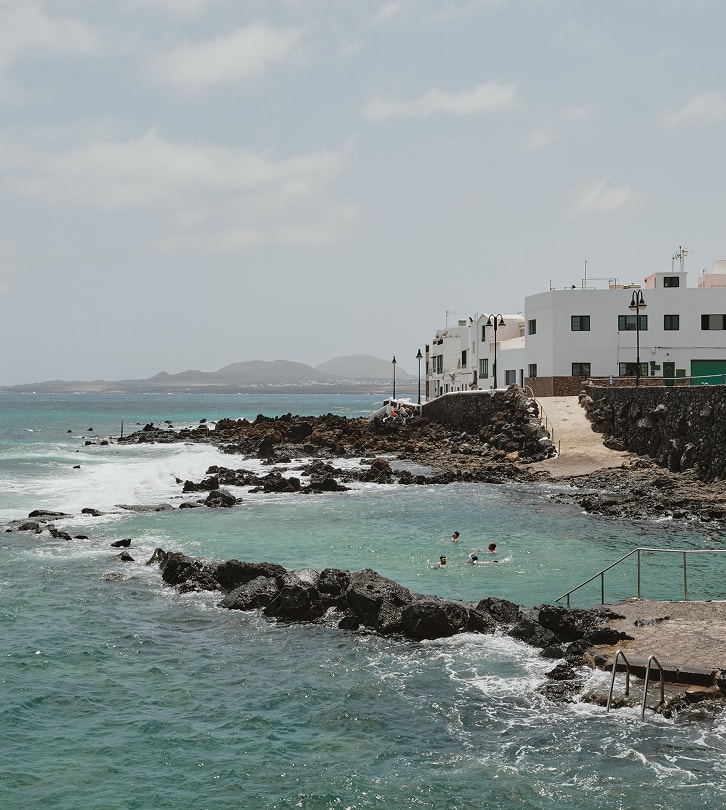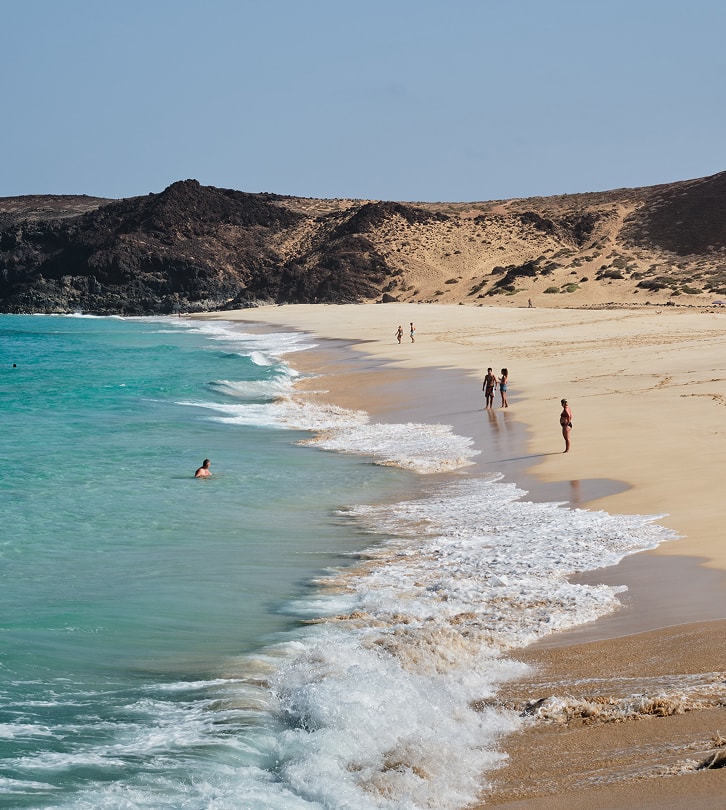
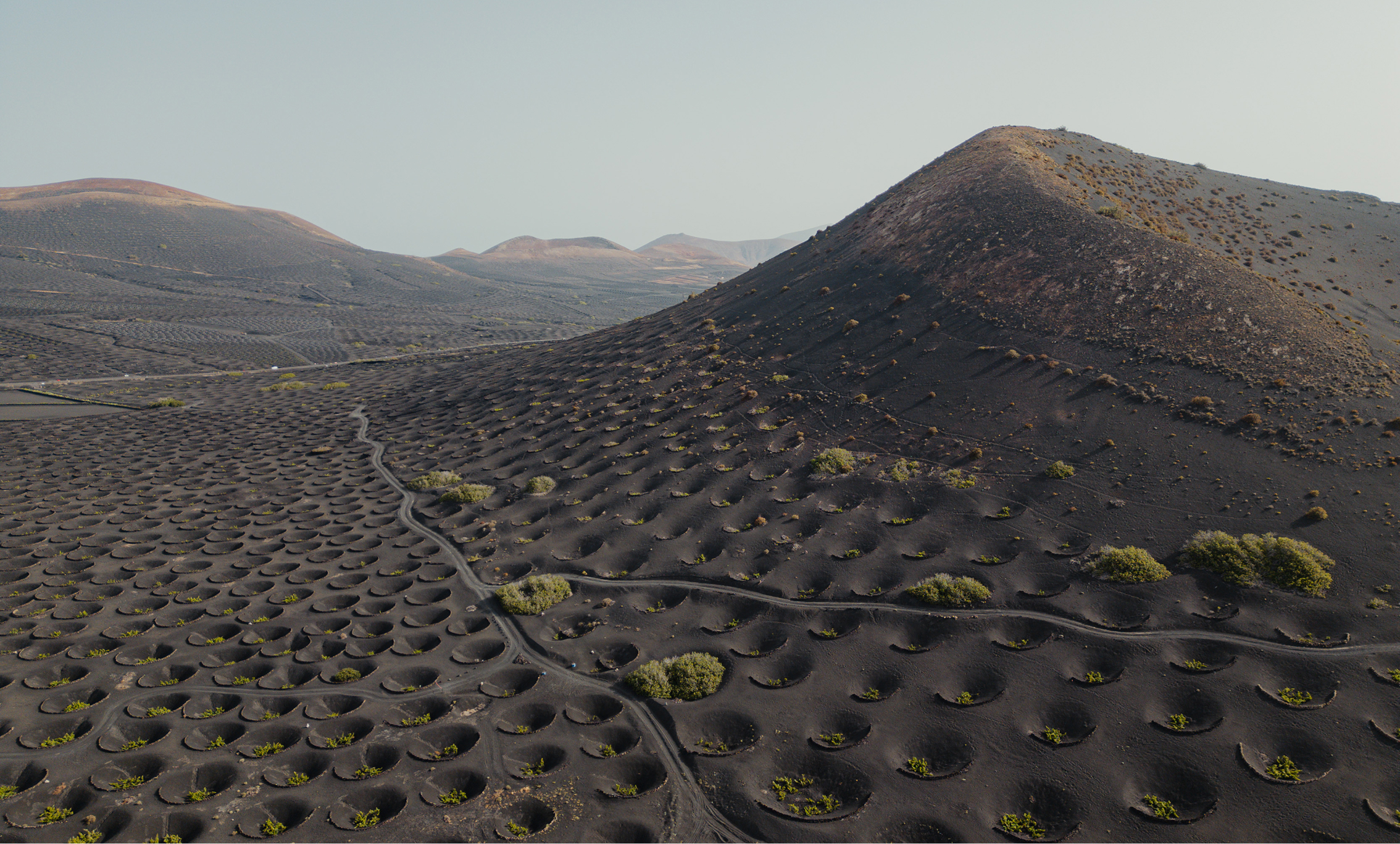
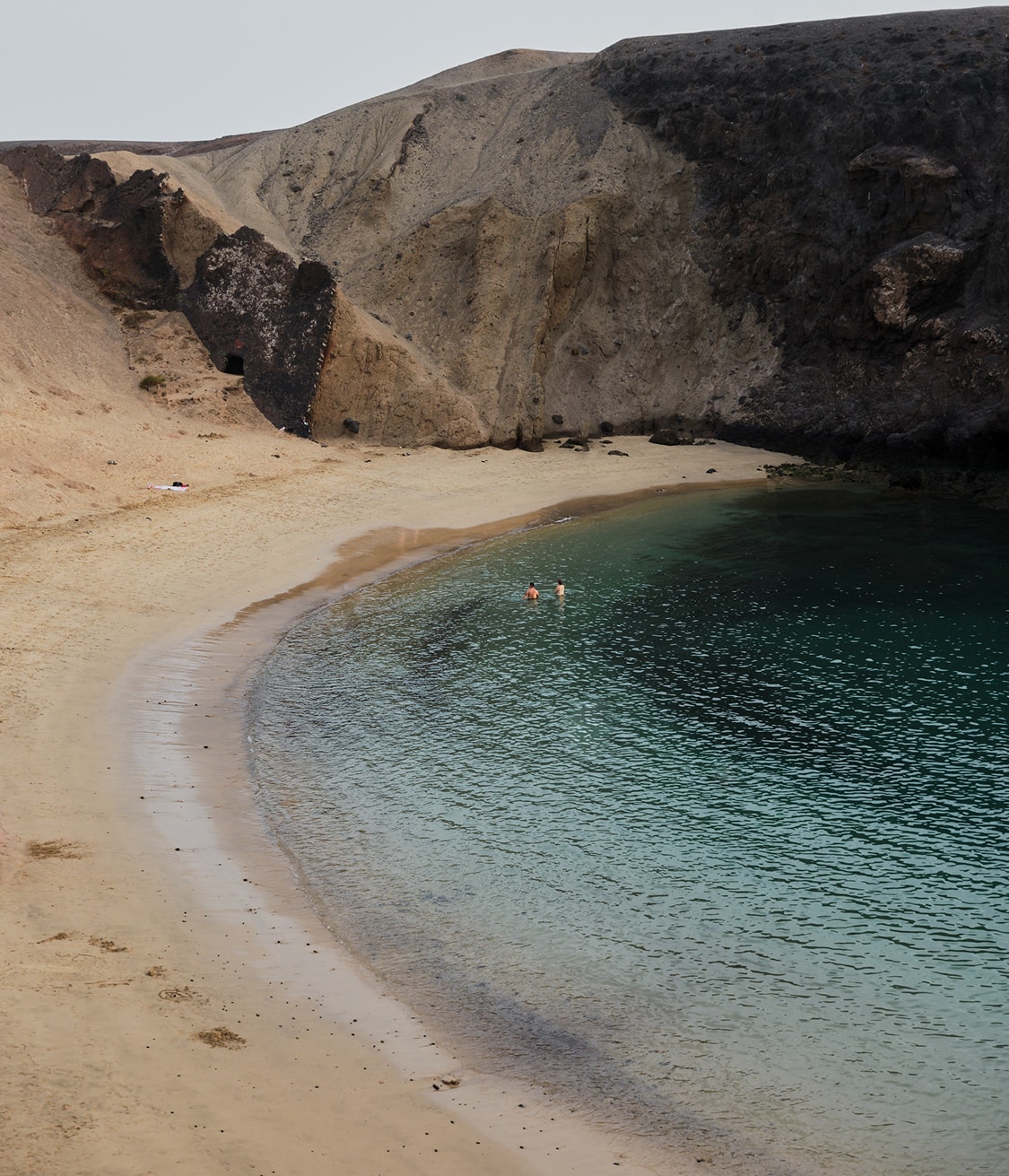
Lanzarote is a land of contrasts — a territory shaped by fire and water, carved by the wind, and built upon volcanic rock. Every corner of this landscape bears witness to the history and culture of a place born from lava, whose imprint extends far beyond the boundaries drawn by the ocean.
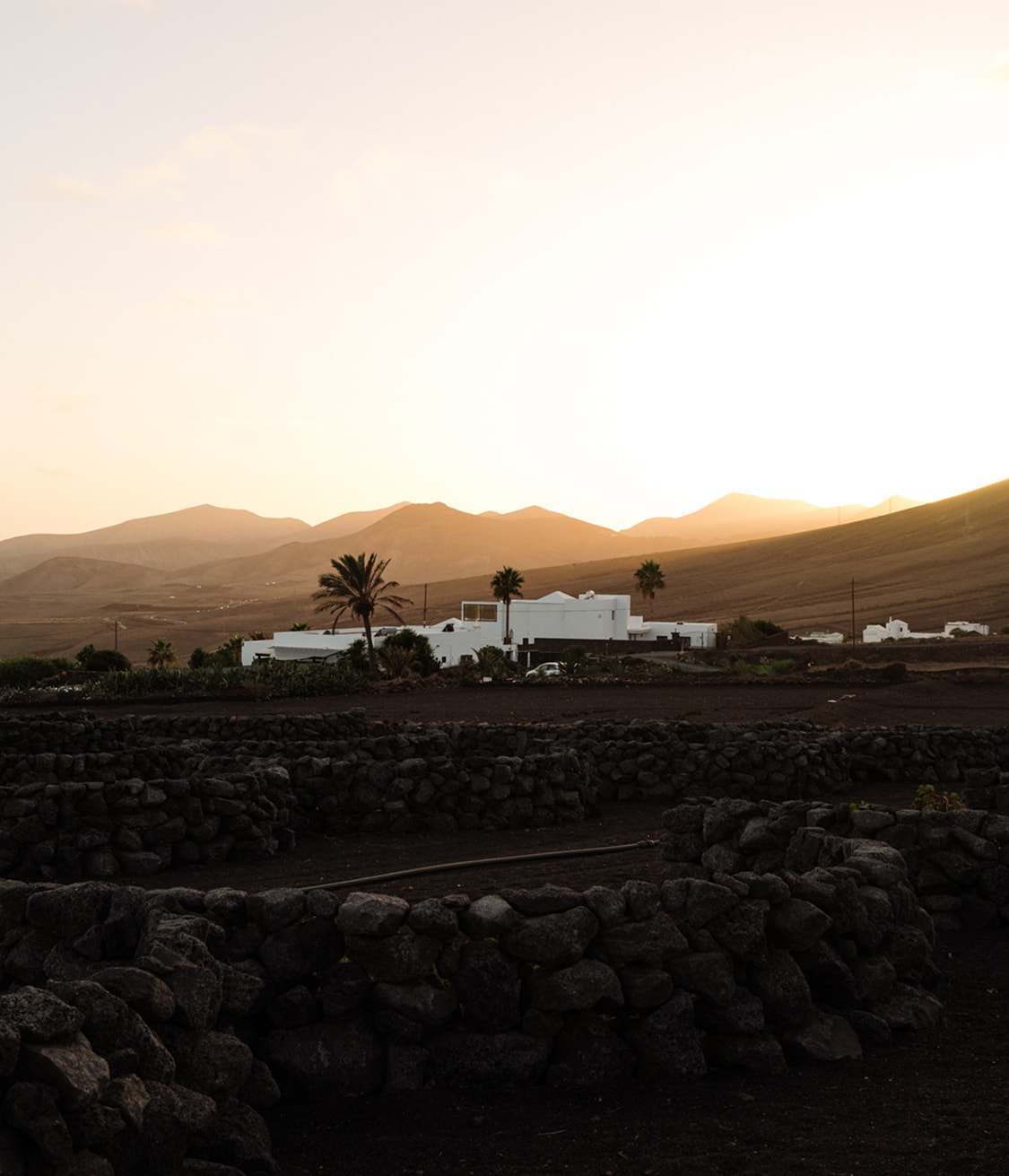
Native flora blooms from the ashes. Between lava and stone, lichens, tabaibas, and veroles emerge — plants that defy barren conditions and transform
the volcanic landscape into an ecosystem shaped by quiet resistance.
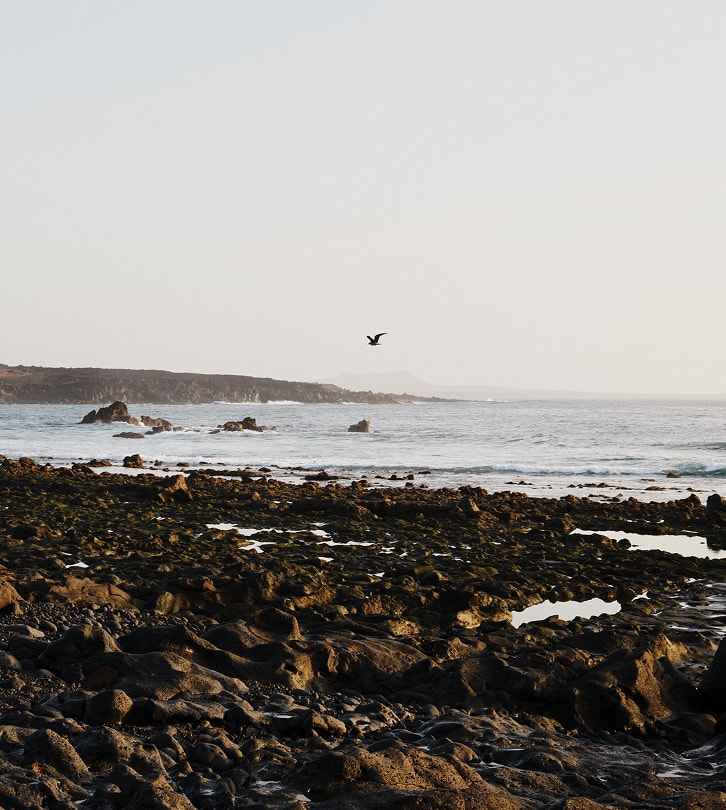
Lanzarote is a resting point for herons, terns, curlews, and other migratory species. A strategic stop along migration routes between Europe and Africa —
a place where the sky, too, is always passing through
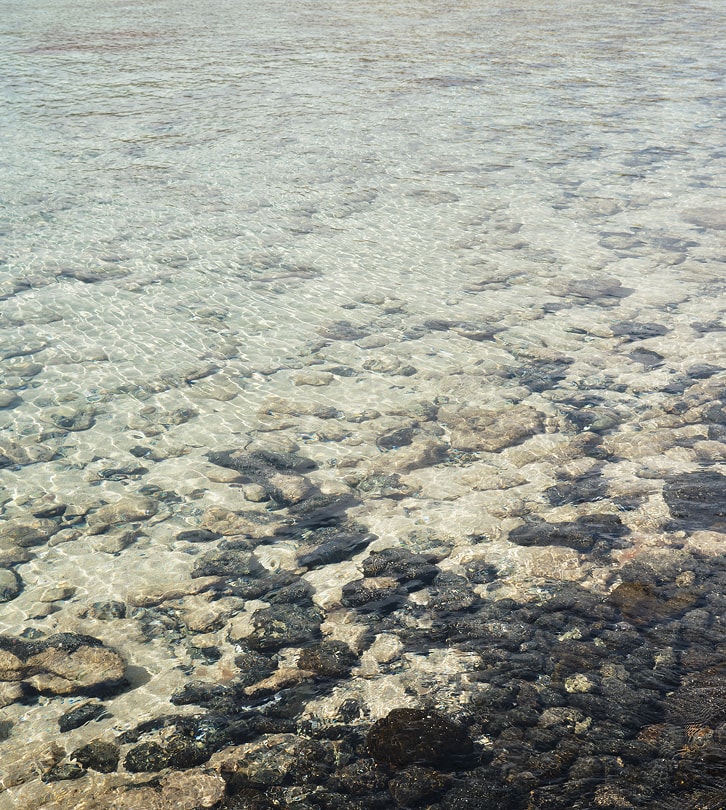
Beneath the water, the island continues: reefs, lava caves, and seagrass meadows become a refuge for groupers, angel sharks, and shoals of fish
in impossible colours.
Native flora blooms from the ashes. Between lava and stone, lichens, tabaibas, and veroles emerge — plants that defy barren conditions and transform
the volcanic landscape into an ecosystem shaped by quiet resistance.
Lanzarote is a resting point for herons, terns, curlews, and other migratory species. A strategic stop along migration routes between Europe and Africa —
a place where the sky, too, is always passing through
Beneath the water, the island continues: reefs, lava caves, and seagrass meadows become a refuge for groupers, angel sharks, and shoals of fish
in impossible colours.
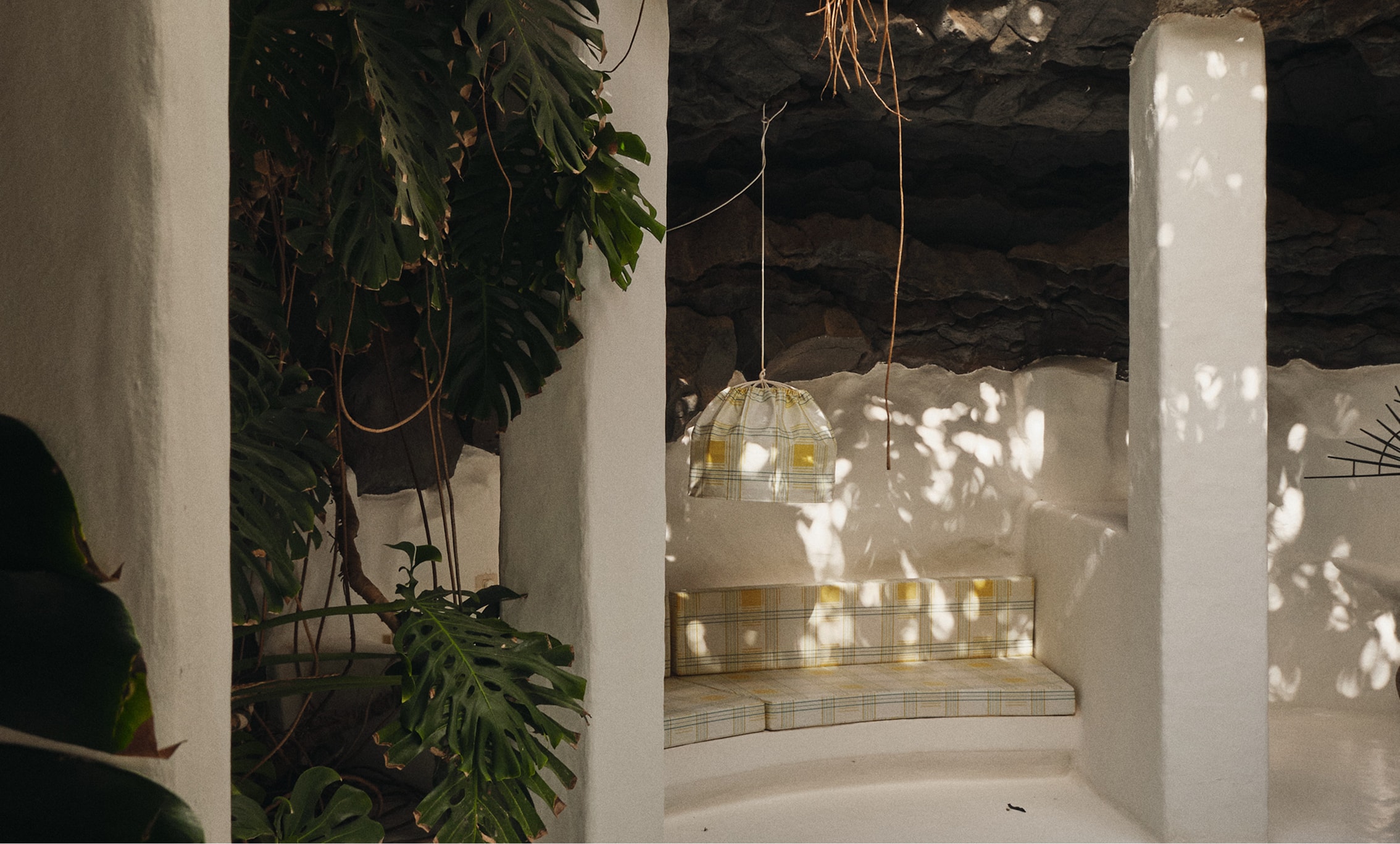
A Living Memory
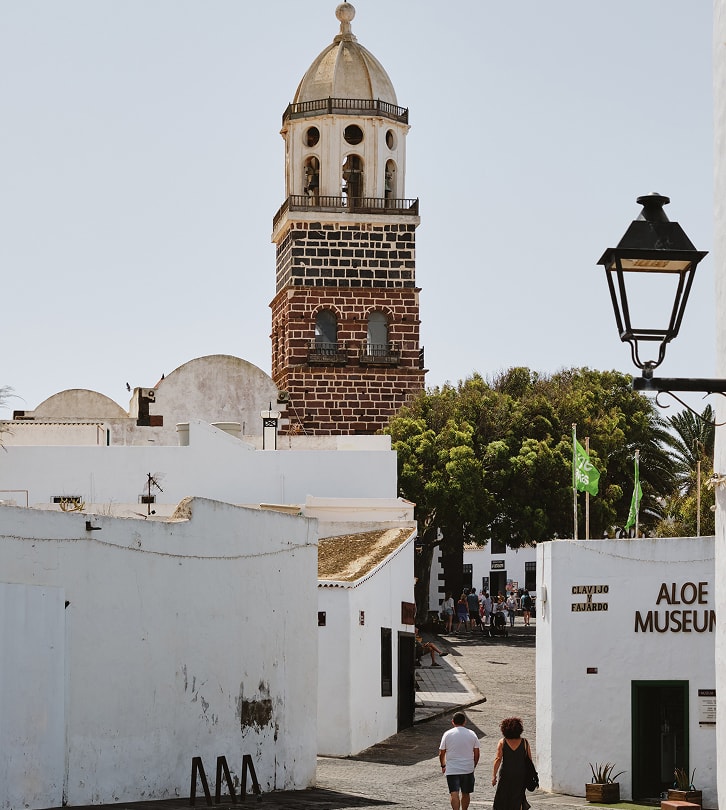
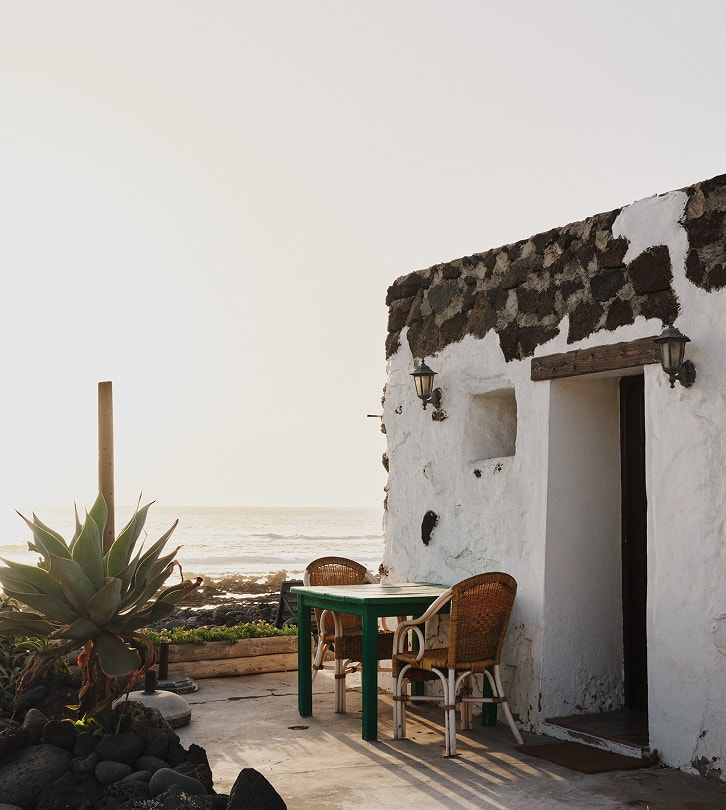
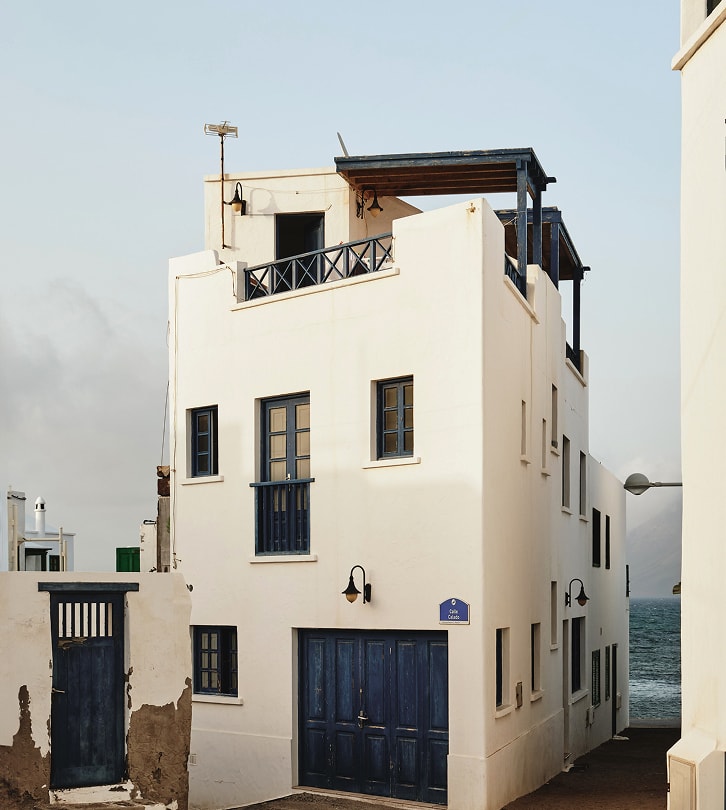
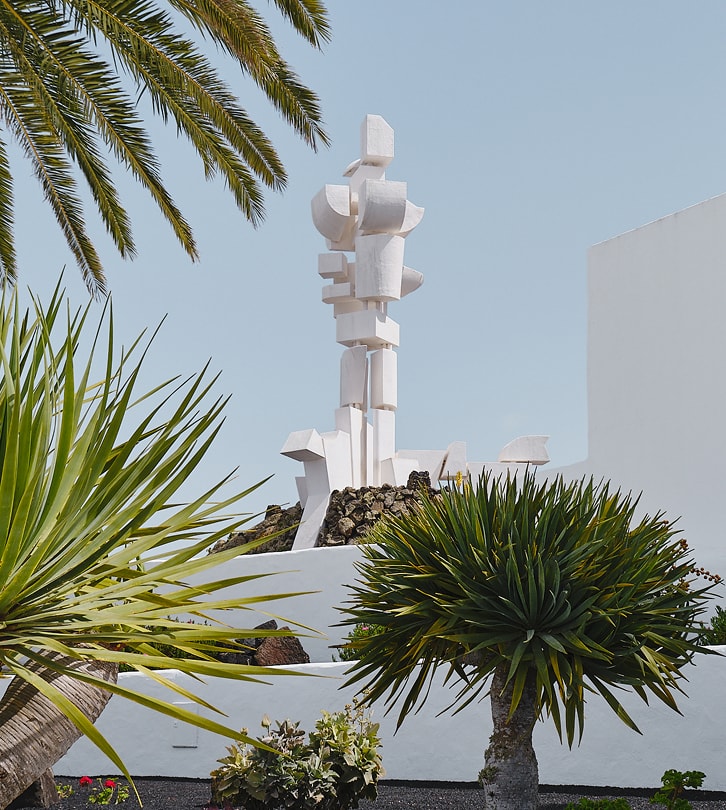
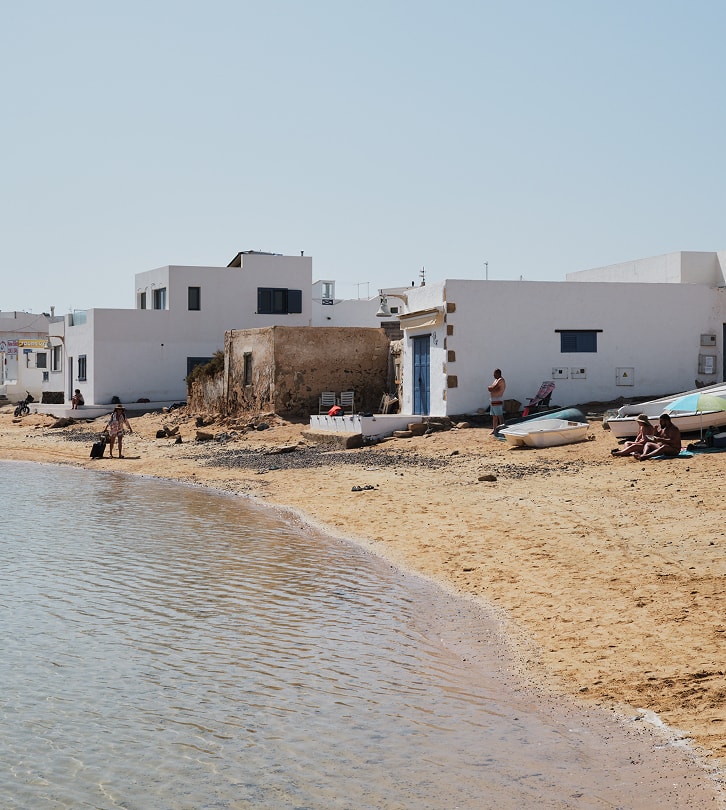
Lanzarote’s history is shaped by resilience and creativity. From the first aboriginal settlements to the island’s African and European influences, it has always been a place of transit, fusion, and adaptation. This legacy lives on in its traditional architecture, in its cuisine, and in its art. The work of César Manrique marked a turning point — proving that it is possible to grow without destroying, to inhabit without invading, and to intervene without disrupting natural harmony.